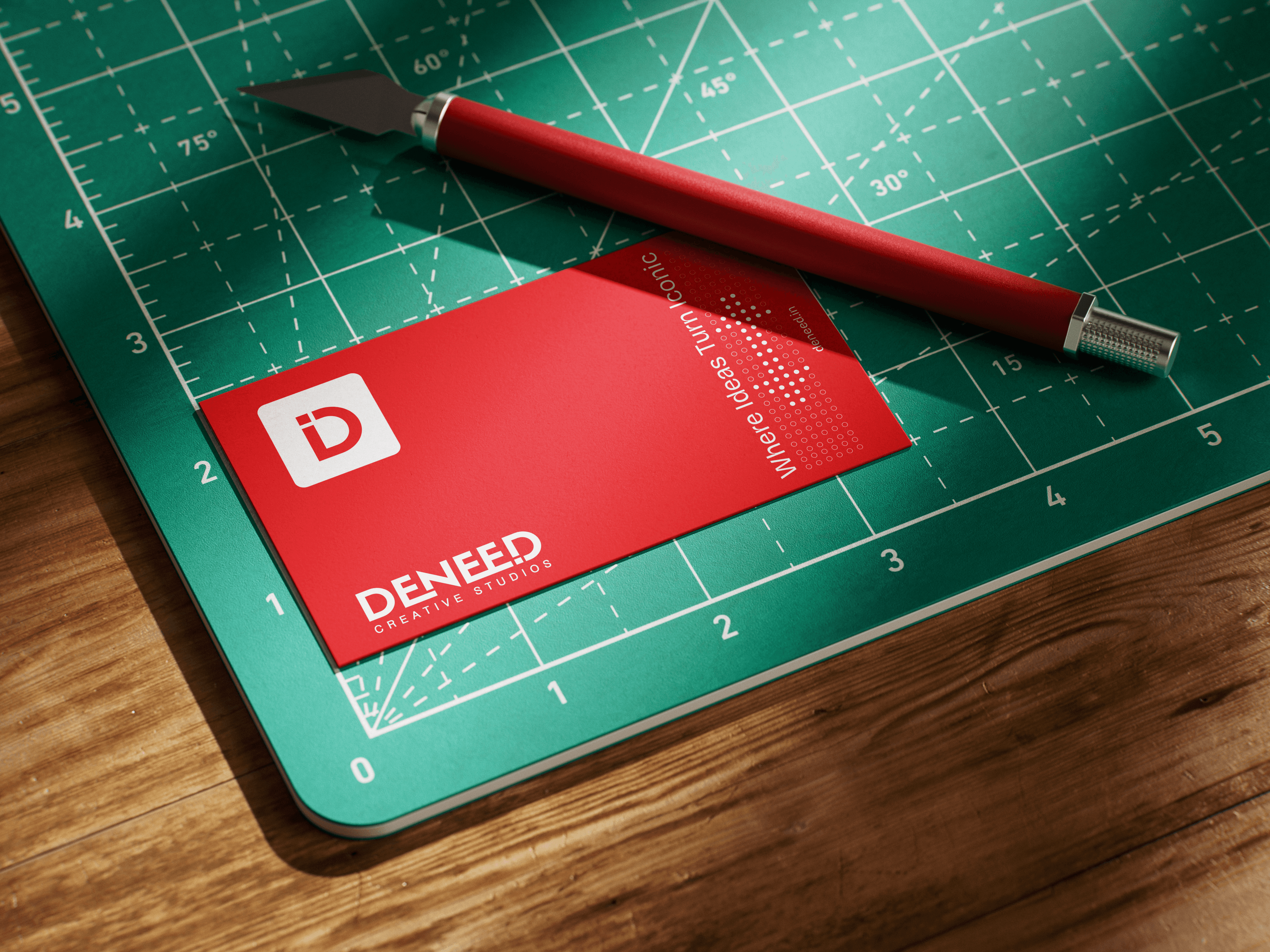
Branding doesn’t stop at the screen anymore
For a long time, brands focused mostly on digital presence.
Websites.
Social media.
Ads.
Apps.
But today, the strongest brands understand something important:
People don’t experience brands only online anymore.
They experience them everywhere.
The office space.
The packaging.
The event setup.
The store interior.
The textures, lighting, colors, and atmosphere.
All of these things shape how people emotionally connect with a brand.
That’s why modern businesses are now focusing on translating their digital identity into physical experiences.
A brand should feel the same everywhere
One of the biggest mistakes businesses make is separating digital branding from physical branding.
The website looks modern and premium.
But the office feels generic.
The Instagram feels stylish.
But the packaging feels cheap.
That disconnect weakens the brand experience instantly.
Strong brands create consistency across every touchpoint — both digital and physical.
When someone walks into your space, they should immediately feel the same personality they saw online.
That’s when branding becomes immersive.
Physical spaces create emotional memory
Digital experiences disappear quickly.
But physical experiences stay in people’s minds much longer.
The lighting inside a studio.
The way products are packaged.
The scent inside a store.
The materials people touch.
These details create emotional memory.
And emotional memory builds stronger brand recall than visuals alone.
That’s why luxury brands invest heavily in physical experience design.
Because atmosphere influences perception.
Modern branding is becoming multi-sensory
Today’s audiences expect more than visuals.
They want experiences.
Modern physical branding includes things like:
Custom interiors
Brand-focused architecture
Immersive event setups
Experiential retail spaces
Premium packaging
Interactive installations
Environmental graphics
Branded workspaces
These elements make a brand feel real instead of just digital.
Your office is part of your branding
A lot of businesses underestimate how important physical workspaces are.
But offices, studios, and creative environments communicate brand identity instantly.
A minimal creative agency feels different from a bold fashion startup.
A luxury brand feels different from a tech company.
The furniture, lighting, materials, colors, and layouts all tell a story.
Even before a single conversation happens.
Packaging is a physical extension of the brand
Packaging is no longer just functional.
It’s part of the customer experience.
People now film unboxing videos because packaging itself creates emotion.
Good packaging design makes products feel premium before customers even use them.
That’s why successful brands focus on:
Texture
Typography
Material quality
Color consistency
Opening experience
Presentation
Because every small detail affects perception.
Events and pop-ups are becoming brand experiences
Modern brand events are not just gatherings anymore.
They are immersive experiences designed for both real life and social media.
Today’s brands create spaces people want to photograph, share, and remember.
Lighting design.
Visual installations.
Motion graphics.
Interactive displays.
Everything becomes part of the storytelling.
That’s how physical spaces now contribute directly to digital marketing.
Consistency builds trust
When digital and physical branding align perfectly, businesses feel more professional and trustworthy.
Customers notice when:
The website matches the packaging
The office reflects the online identity
The event visuals feel connected to the brand
The physical experience feels intentional
That consistency creates confidence.
And confidence builds loyalty.
The future of branding is immersive
The line between digital and physical experiences is slowly disappearing.
Brands are no longer designing only screens.
They are designing environments, emotions, and experiences.
The businesses that stand out in the future will not just have good logos or websites.
They will create complete brand worlds people can step into.
Why this matters more now
Social media changed how people interact with spaces.
Now, physical environments also become content.
A café interior becomes Instagram content.
A retail store becomes TikTok content.
An event setup becomes marketing.
That means physical design now directly affects digital visibility.
The brands that understand this are building stronger communities and stronger recognition.
Final thoughts
A brand should never feel divided between online and offline experiences.
The strongest businesses create one connected identity across everything people see, touch, and experience.
Because branding is no longer just about screens.
It’s about creating moments people remember in the real world too.
And when digital identity flows naturally into physical spaces, brands stop feeling like businesses.
They start feeling like experiences.